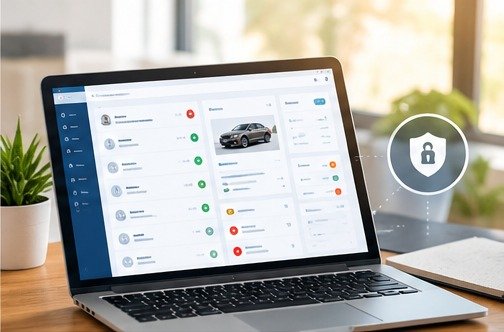
Auto repair shops already hold valuable operational information: repair orders, vehicle details, mileage estimates, completed maintenance, and recommendations customers chose to defer. Used carefully, these records can help a shop provide more relevant service and communicate at the right time.
The challenge is to turn data into helpful action without making customers feel watched, overwhelmed, or unsure how their information is being used.
Quality matters more than quantity
A large database is not automatically a useful one. Duplicate customer profiles, outdated phone numbers, incomplete vehicle details, and inconsistent service descriptions can lead to missed reminders or messages that do not make sense.
Start with a regular data-quality routine. Standardize key fields where possible, merge duplicates carefully, verify contact information during visits, and define who is responsible for corrections. Make sure your shop management system remains the reliable source for repair-order information.
Tools such as Service-Intel are designed to work with service history from compatible shop systems. Review the integration list before planning a workflow.
Use data to improve the customer experience
- Find the right reason to follow up
Instead of sending every customer the same seasonal offer, use service records to identify relevant reminders and previously deferred work. Recommendations should be based on reliable records and reviewed when the vehicle’s condition requires professional judgment. - Make communication consistent
A CRM can help coordinate thank-you messages, appointment reminders, and review requests. Consistency helps customers know what to expect, but messages should still be easy to understand and respond to. - Learn from patterns
Aggregated reporting can reveal which services are commonly deferred, which campaigns lead to appointments, and where follow-up processes break down. Use these insights to improve service explanations and scheduling—not to pressure customers into unnecessary work. - Connect tools deliberately
Before connecting a CRM, website, analytics tool, or messaging platform, understand what data each system receives, who can access it, how long it is retained, and how errors are corrected. Limit access to people who need it.
Privacy is part of customer service
Be transparent about how contact details and service information are used. Follow applicable privacy, email, and SMS requirements; honor communication preferences; protect staff logins; and avoid putting sensitive vehicle or customer details in unsecured messages.
Do not assume that because information is available in a shop system, it should automatically be used in every marketing channel. Establish a clear policy for service communication versus promotional marketing, and document consent where required.
Service-Intel CRM focuses on automotive customer communication and retention. Learn more on the SI CRM page and the Service-Intel platform overview.
Frequently asked questions
- What customer data is most useful to an auto repair CRM?
Accurate contact details, vehicle information, service history, relevant recommendations, and communication preferences are often useful. Collect and retain only what your shop needs for legitimate business purposes. - Can a CRM automatically predict every repair?
No. A system can identify patterns and estimate maintenance timing from available records, but it cannot replace a technician’s inspection or guarantee a component’s condition. - How can a shop avoid sending the wrong reminder?
Maintain clean records, define service intervals carefully, test automations, and provide a process for customers or staff to flag incorrect information. Review campaign performance and complaints. - Is customer service history considered sensitive?
It can be personal or commercially sensitive information and should be handled responsibly. The exact legal classification varies by jurisdiction, so use appropriate access controls and privacy practices. - How do we know whether data-driven marketing is working?
Connect campaign activity to replies, appointments, completed repair orders, and customer feedback where possible. Monitor opt-outs and complaints as well as revenue.
Build trust into every workflow
Useful data should lead to better explanations, timely reminders, and smoother visits. With clear policies and accurate records, customer data can support retention without compromising trust. Explore Service-Intel CRM to see how automotive service intelligence can support a more consistent customer experience.