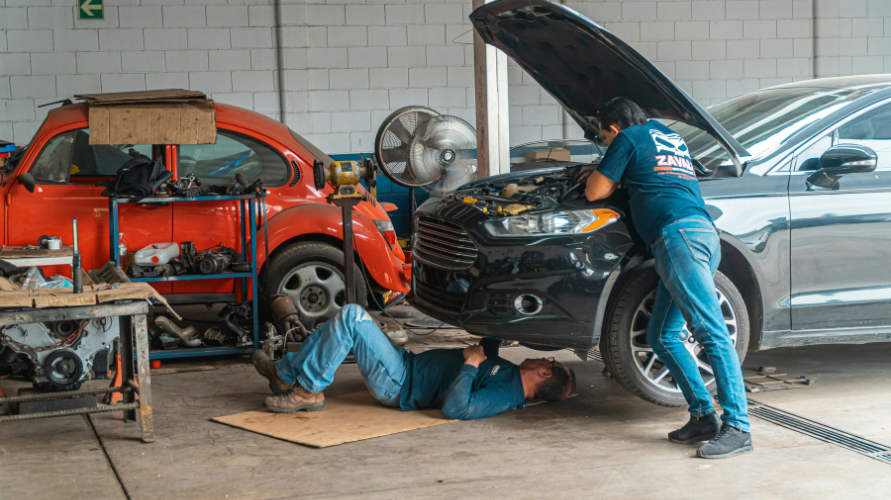
Many shop owners believe that large engine repairs are the key to high revenue. A complete engine replacement or rebuild can generate a substantial invoice, making these jobs seem like the most profitable work a shop can perform.
But looking only at the final invoice tells only part of the story.
Major engine repairs often consume valuable shop resources for days. They require extensive diagnostics, parts ordering, customer approvals, and repeated quality checks before the vehicle can be returned.
Meanwhile, service bays remain occupied, technicians become tied up on a single vehicle, and other customers wait longer for appointments.
The most successful repair shops understand that long-term profitability comes from balance. Heavy engine repairs will always be part of the business, but they shouldn’t be the primary source of revenue.
A maintenance focused approach creates steadier income, happier customers, and a more efficient shop.
The Hidden Cost of Major Engine Repairs
Complex repairs demand significant time and attention.
A typical engine repair may involve:
- Hours of diagnosis
- Waiting for replacement parts
- Multiple customer updates
- Extended bay occupancy
- Additional testing after installation
- Greater warranty responsibility
Even when the repair is profitable, these jobs can limit your shop’s ability to serve other customers.
If one service bay is occupied for several days, that’s several days where routine maintenance and smaller repairs cannot be completed in that space.
Maintenance Keeps Vehicles Out of Major Trouble
Many expensive engine failures begin as small maintenance issues.
Examples include:
- Old coolant leading to overheating
- Dirty engine oil is causing premature wear
- Ignoring timing belt replacement
- Delayed spark plug replacement
- Cooling system neglect
- Worn belts and hoses
These issues often develop gradually.
When customers follow recommended maintenance schedules, many costly failures can be prevented before they become major repairs.
This creates a win for both the customer and the repair shop.
Customers Appreciate Prevention
Most vehicle owners would rather spend a few hundred dollars on maintenance today than several thousand dollars on engine repairs next month.
Helping customers understand this difference changes the conversation.
Instead of saying:
“You need a coolant flush.”
Explain:
“Replacing the coolant at the recommended interval helps protect the engine from overheating and internal corrosion. It’s one of the easiest ways to avoid much more expensive repairs later.”
Customers appreciate advice that helps them avoid future expenses.
A Maintenance Focus Improves Bay Utilization
Preventive maintenance services are generally completed much faster than major repairs.
Examples include:
- Oil changes
- Cooling system service
- Brake fluid replacement
- Transmission service
- Tire rotation
- Battery replacement
These services allow technicians to complete several repair orders each day instead of spending multiple days on a single vehicle.
The result is:
- Higher bay turnover
- Better technician productivity
- More completed repair orders
- Increased daily revenue
Rather than relying on a few large invoices each month, shops generate consistent income through efficient workflow.
Maintenance Creates Recurring Revenue
Engine rebuilds are unpredictable.
Preventive maintenance is not.
Every vehicle requires routine service throughout its lifetime.
Customers return regularly for:
- Oil changes
- Fluid services
- Brake inspections
- Tire rotations
- Scheduled manufacturer maintenance
Each visit creates another opportunity to inspect the vehicle, identify future maintenance needs, and strengthen the customer relationship.
Recurring maintenance revenue provides greater financial stability than relying primarily on unexpected breakdowns.
Service Advisors Play an Important Role
Customers often don’t know what maintenance their vehicles require.
They depend on service advisors for guidance.
The challenge is remembering every maintenance interval for every make and model.
Service-Intel simplifies this process.
Instead of relying on memory, advisors receive recommendations based on:
- Vehicle mileage
- Manufacturer maintenance schedules
- Previous service history
- Inspection findings
This helps advisors provide consistent recommendations that customers can trust.
Help Customers Plan Instead of React
Unexpected repairs create stress.
Planned maintenance creates confidence.
Imagine telling a customer:
“Your timing belt isn’t due today, but it will need replacement in about 8,000 miles. We’ll remind you before then so you can schedule the service at a convenient time.”
This proactive approach gives customers time to prepare financially and reduces the likelihood of unexpected engine damage.
Build Stronger Customer Relationships
Customers remember shops that help them avoid problems.
When your team consistently provides helpful maintenance advice instead of waiting for expensive failures, customers begin to see your business as a trusted partner.
That trust leads to:
- More repeat visits
- Higher maintenance approval rates
- Positive online reviews
- Referrals from satisfied customers
- Greater customer lifetime value
Long-term relationships are built through consistent care, not one-time repairs.
Improve Technician Productivity
Technicians are most productive when work flows smoothly throughout the day.
A maintenance-focused schedule helps reduce:
- Waiting for parts
- Long diagnostic sessions
- Workflow interruptions
- Idle time between repairs
Instead, technicians complete more vehicles, maintain a steady pace, and improve overall shop efficiency.
How Service-Intel Supports a Maintenance First Strategy
Service-Intel helps repair shops identify maintenance opportunities before they become costly repairs.
- Predictive Maintenance Recommendations
Automatically identify upcoming services based on mileage, maintenance history, and manufacturer schedules. - Better Customer Conversations
Provide advisors with accurate information that supports honest and educational discussions. - Improved Bay Efficiency
Encourage a healthy mix of maintenance services that keep bays productive throughout the day. - Increased Maintenance Revenue
Capture maintenance opportunities that may otherwise be overlooked. - Stronger Customer Loyalty
Help customers avoid major repairs through proactive maintenance planning, creating trust and encouraging repeat business.
A Smarter Business Model
Successful repair shops don’t hope for engine failures.
They build systems that help customers prevent them.
This approach benefits everyone involved.
Customers enjoy:
- Lower ownership costs
- Fewer unexpected breakdowns
- Greater vehicle reliability
Repair shops enjoy:
- More predictable revenue
- Better bay utilization
- Higher technician productivity
- Increased maintenance sales
- Stronger customer retention
It’s a sustainable model that supports long-term growth.
Conclusion
Heavy engine repairs will always have a place in the automotive repair industry, but they shouldn’t define your business.
The most profitable shops focus on helping customers maintain their vehicles before serious problems develop. Preventive maintenance creates recurring revenue, keeps service bays productive, strengthens customer relationships, and improves overall shop efficiency.
Service-Intel makes this approach easier by providing data-driven maintenance recommendations that help service advisors educate customers and identify opportunities before they become expensive repairs.
When your shop becomes known for preventing problems instead of simply fixing them, everyone benefits. Customers save money, technicians work more efficiently, and your business enjoys more consistent and profitable growth.
See Service-Intel in Action! Schedule a Demo Today!
Frequently Asked Questions
Q1. Can preventive maintenance really reduce engine repairs?
Yes. Regular maintenance, such as oil changes, coolant replacement, timing belt service, and inspections, can help identify problems early and reduce the risk of major engine failures.
Q2. Why are maintenance services more profitable over time?
Maintenance services are faster to complete, encourage repeat visits, improve bay utilization, and create recurring revenue. While individual invoices may be smaller, the overall business becomes more efficient and predictable.
Q3. How does Service-Intel help reduce major repairs?
Service-Intel identifies upcoming maintenance based on vehicle mileage, service history, and manufacturer recommendations. This helps service advisors recommend maintenance before small issues become expensive repairs.
Q4. Should repair shops stop offering engine repairs?
No. Major repairs remain an important part of the business. The goal is to create a healthier balance by increasing maintenance work, improving workflow, and reducing dependence on unpredictable engine repair revenue.